Some parts are more than parts. Ornate theater castings, museum artifacts, sculptures and one-of-a-kind keepsakes can’t be replaced, but they can be preserved and reproduced. DeWys Engineering uses 3D scanning and reverse engineering to capture these pieces in precise digital detail, so they can be recast, replicated or restored without putting the original at risk.
We’ve done this work for theater restorations across the country, a university art museum, a desert wildlife conservation program and private collectors, delivering everything from tooling-ready CAD for a foundry to finished 3D printed replicas.
Where Art Meets Engineering
Reproducing a decorative or historic piece is harder than reproducing a machine part. The same object often combines precise, manufacturable features, like mounting faces, bolt holes, drafts and parting lines, with hand-sculpted, organic detail that has to be preserved exactly as the artist made it.
Our engineers build both into the same model: clean geometry where the part has to fit, and faithful sculpted surfaces where it has to look right. The result is data a foundry can build tooling from, or a 3D printer can turn into a replica that’s indistinguishable at arm’s length.
Historic Theater Restorations
When historic theaters are renovated with modern seating, the ornate cast seat ends (aisle-end standards) are part of what makes the room feel original. For a series of restoration projects with Irwin Seating Company, original end-standard castings were pulled from each theater and sent to us through the project’s foundry, Century Foundry in Muskegon Heights, Michigan.
We laser scanned each original casting and reverse engineered it into clean, machinable CAD data. The decorative detail was preserved, and the mounting features were adapted to work with the new seating. Century used our data to build its tooling and pour new aluminum castings, which went back into the theaters with the new seats.
Boch Center Wang Theatre, Boston
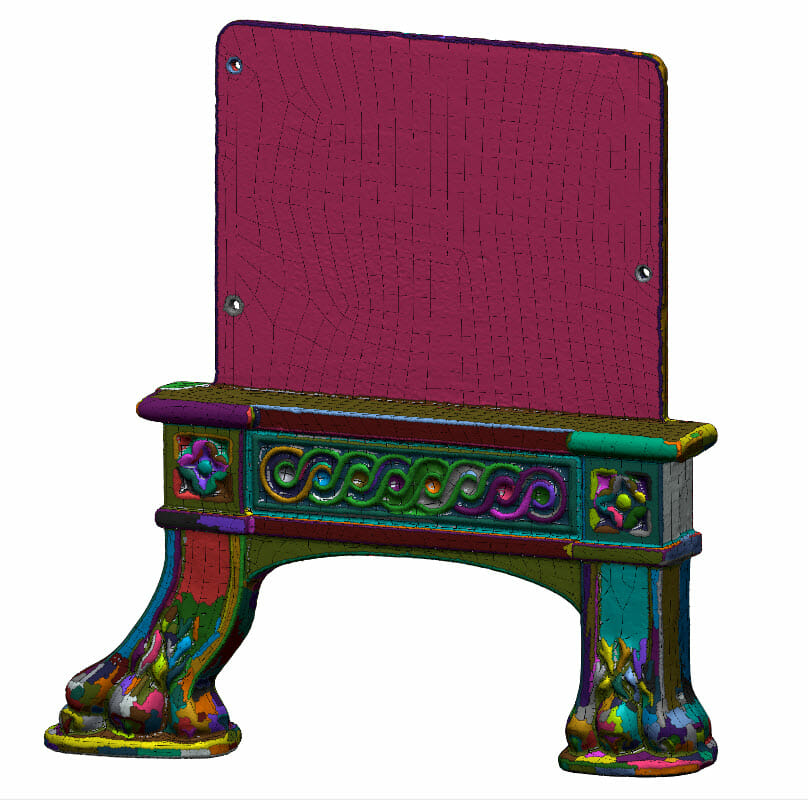
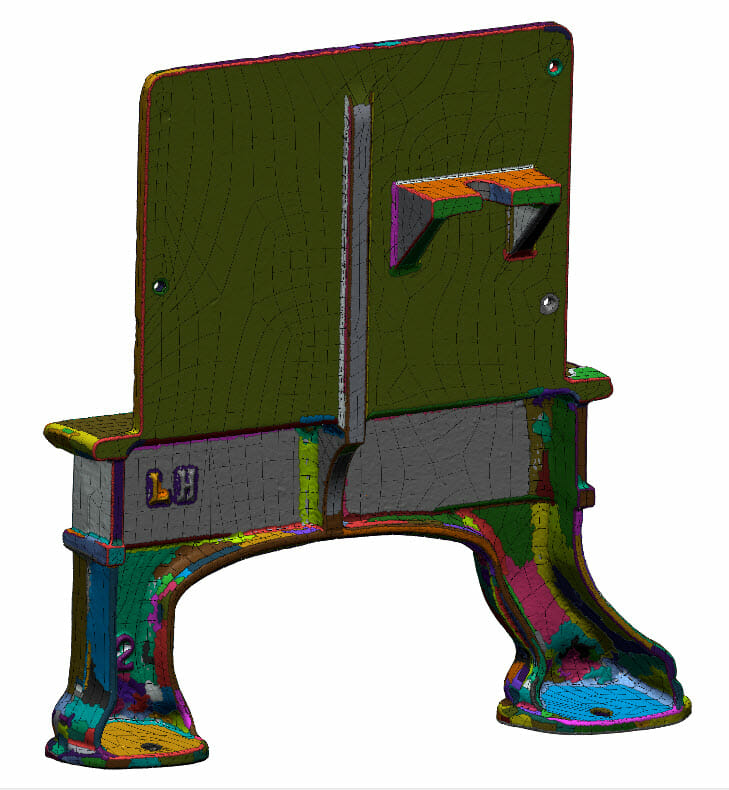
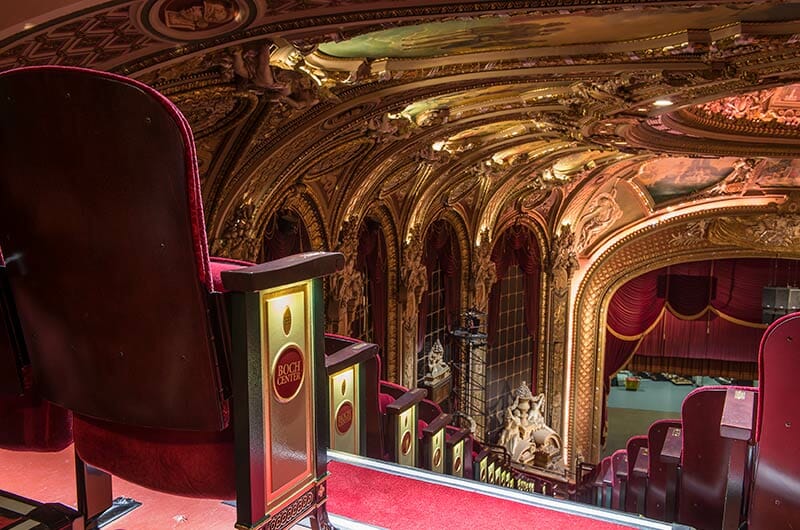
View the Boch Center Wang Theatre project
Herbst Theatre


View the Herbst Theatre project
Riverside Theatre


View the Riverside Theatre project
Lyric Theatre, Birmingham
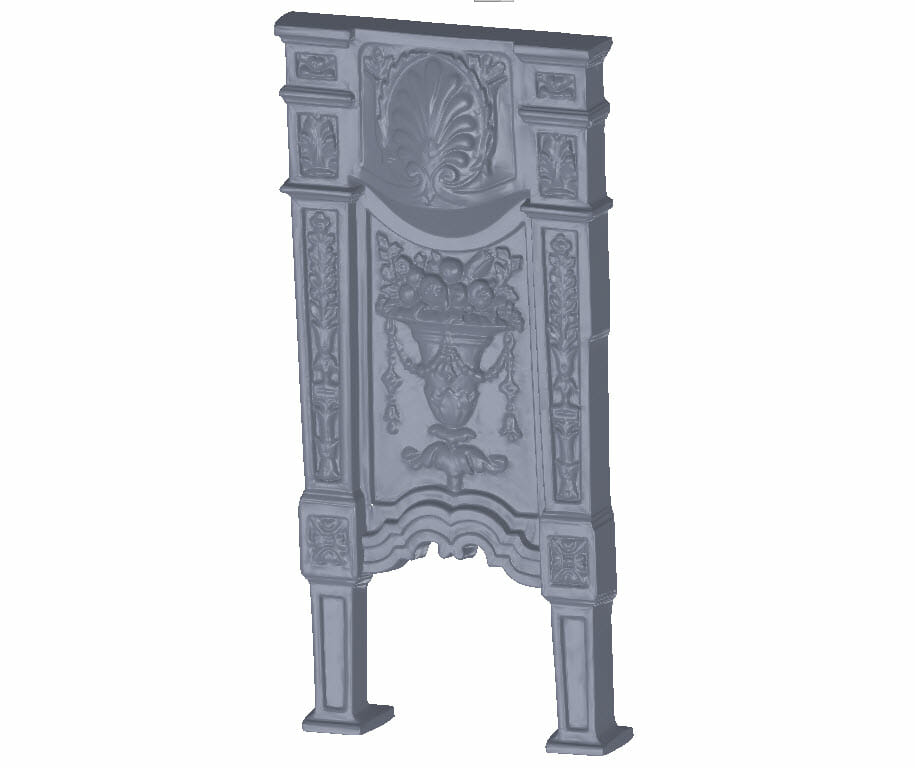
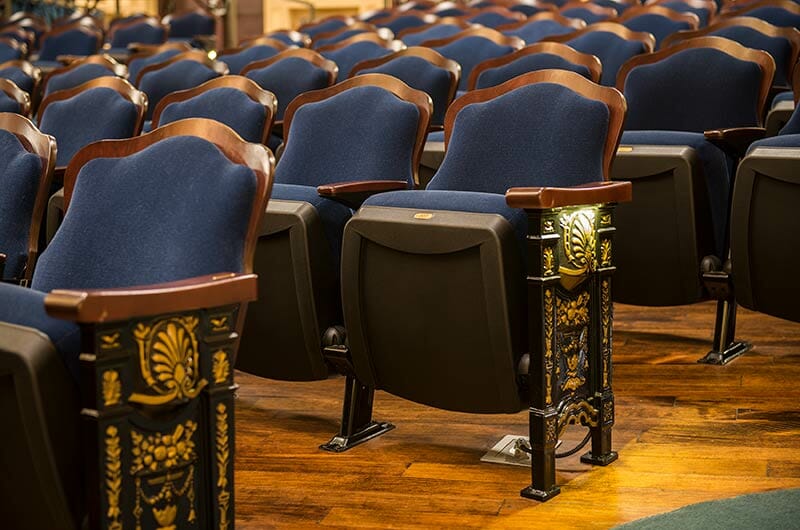
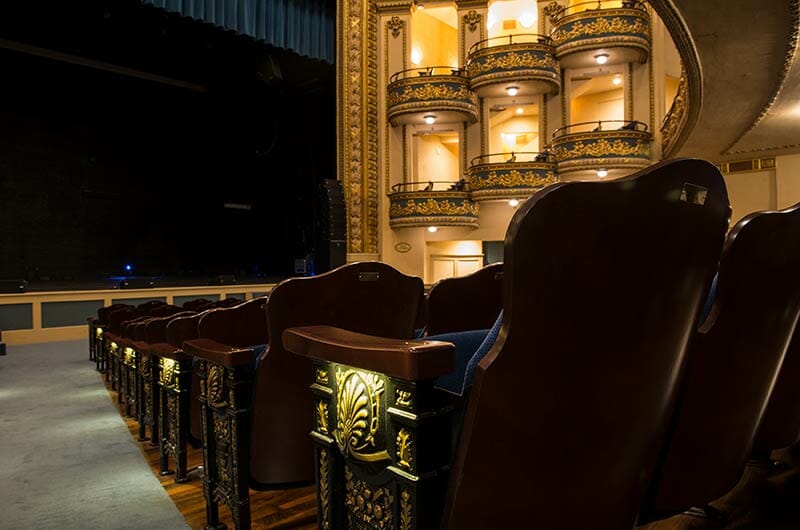
View the Lyric Theatre project
Touchable Museum Replicas for the MSU Broad Art Museum
When the Eli and Edythe Broad Art Museum at Michigan State University was preparing to open its new Center for Object Research and Engagement in November 2023, part of the plan was 3D printed replicas that visitors could pick up and handle. That way guests could explore an object by touch without putting the original at risk.
We 3D scanned two works from the museum’s collection, an ancient Chinese bronze ritual vessel and a carved relief panel, then reverse engineered the scan data. Forerunner 3D Printing printed the replicas next door, and we finished them in-house with Cerakote, a durable ceramic coating that matched the look of the originals and stands up to constant handling by visitors. The whole project took three weeks, and the replicas were ready for the exhibit’s opening on schedule.


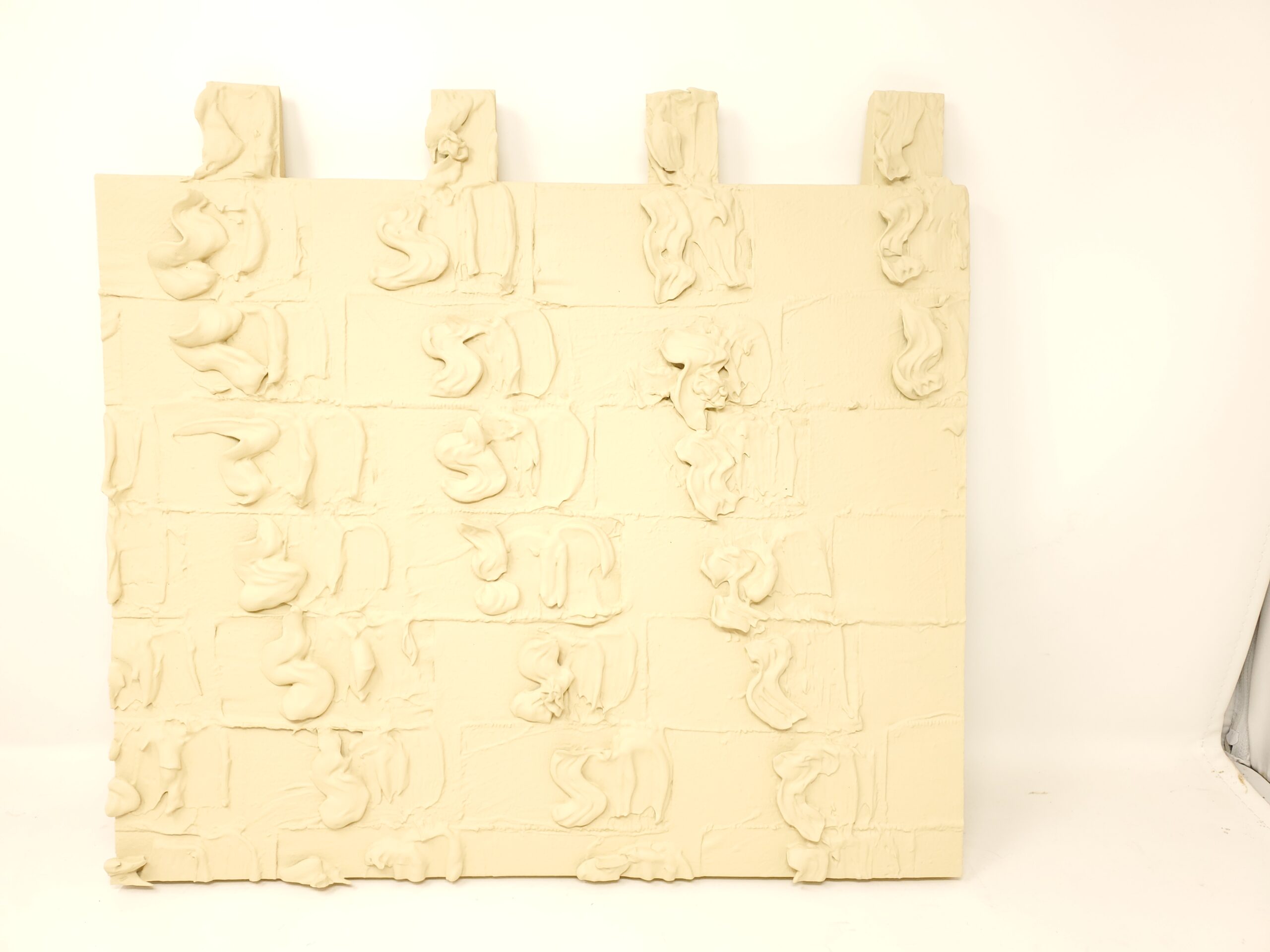
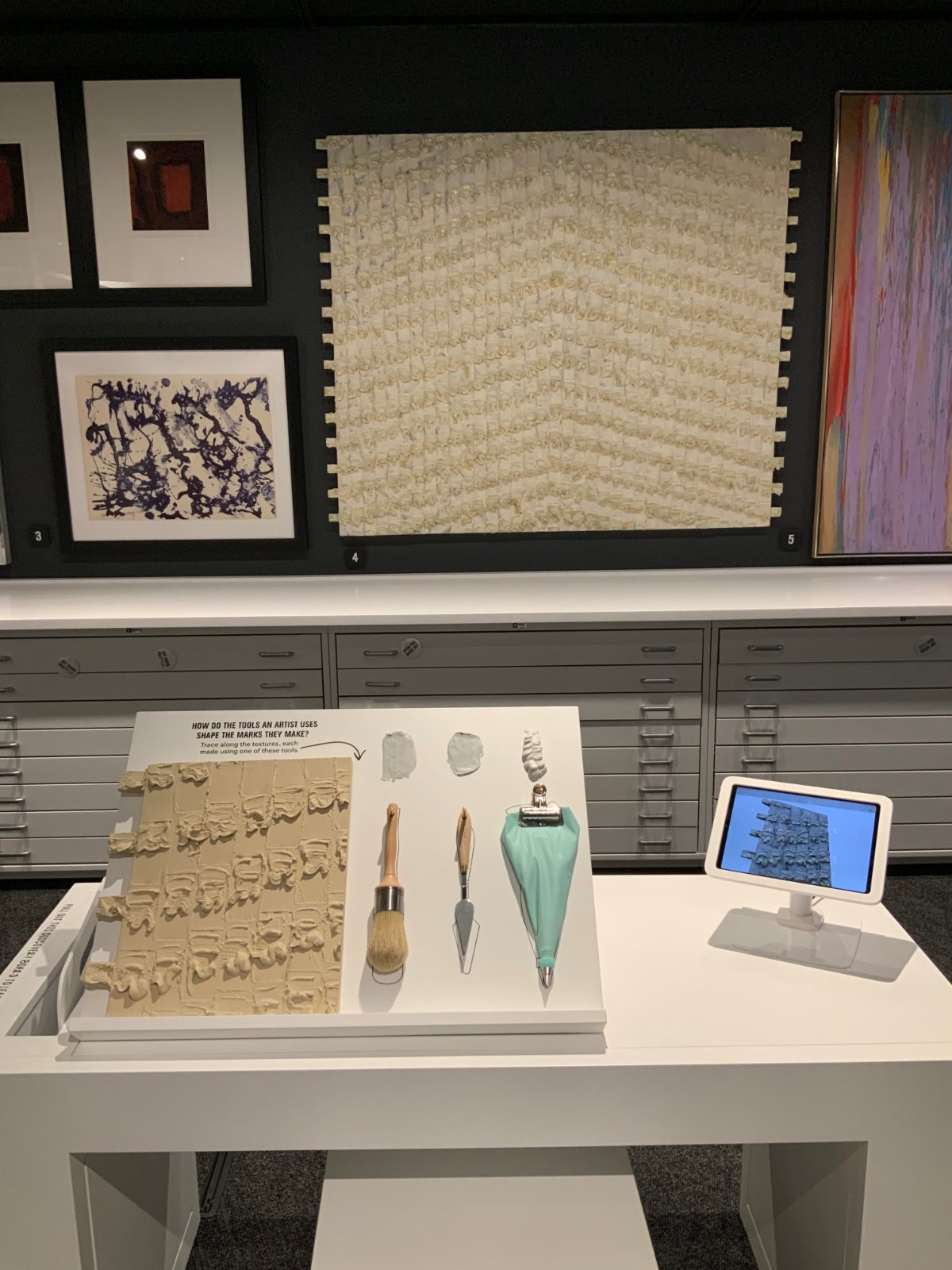
A Trophy Fish, Preserved Twice
A lifelong angler caught a trophy brook trout and had it mounted by a taxidermist. He wanted a second one for his cottage, with a personal twist: the trout resting in a landing net, held by his own arm. We laser scanned the original taxidermy mount and the angler’s actual arm holding the net, then cleaned up and reverse engineered the scan data and 3D printed the fish, net and arm. An artist then hand-painted the replica, giving him two trophies from one catch.
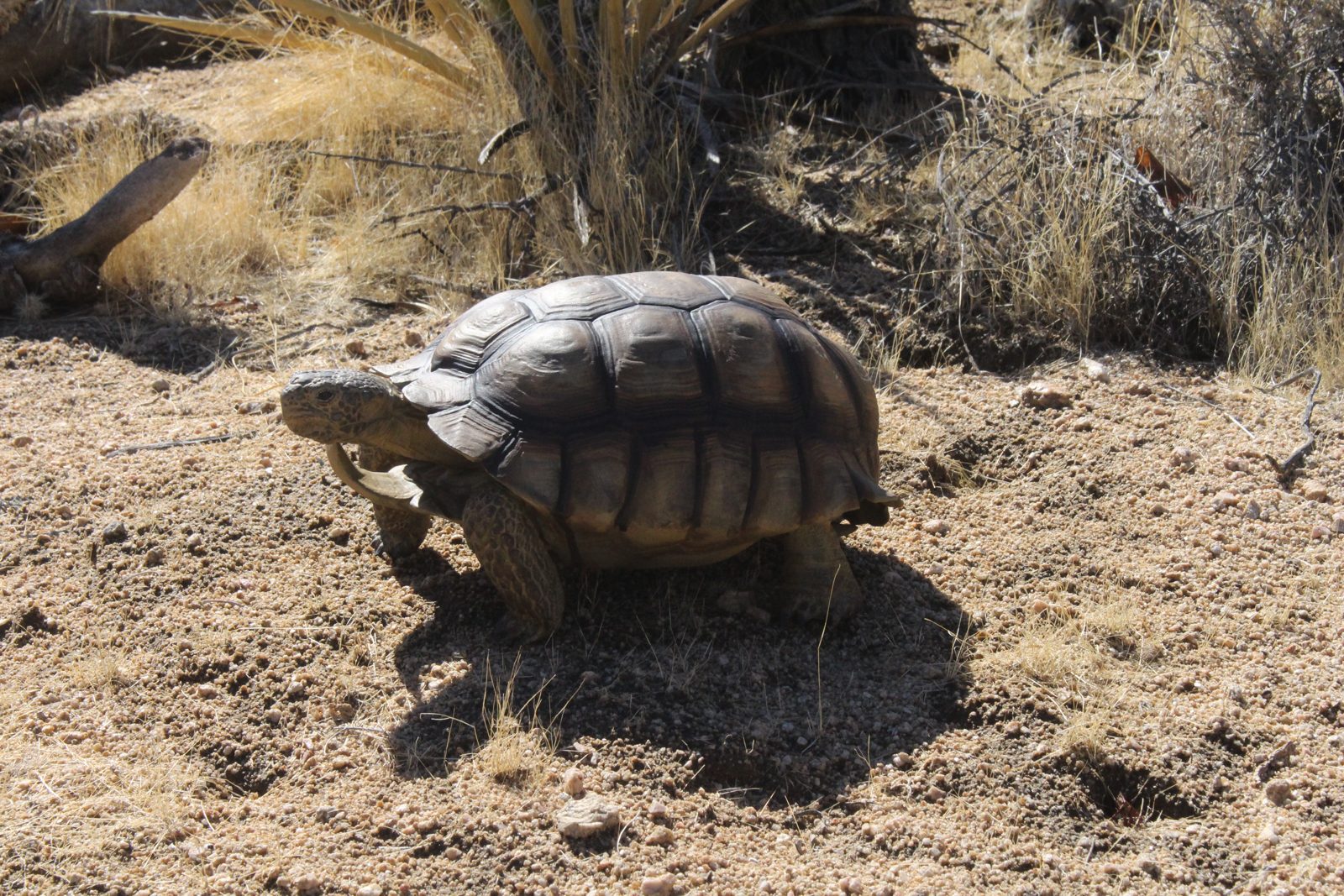
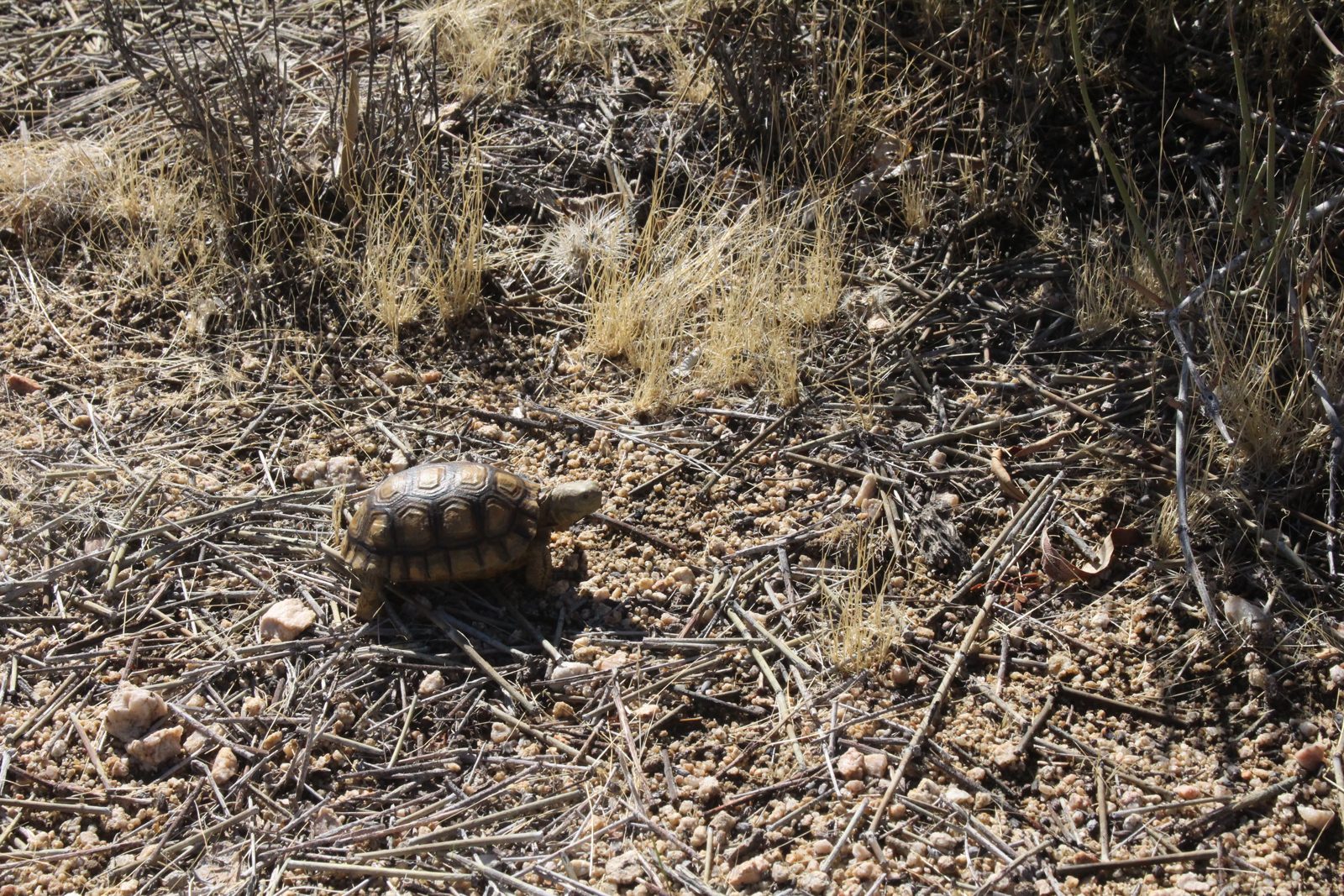
3D Printed Desert Tortoise Decoys for Wildlife Conservation
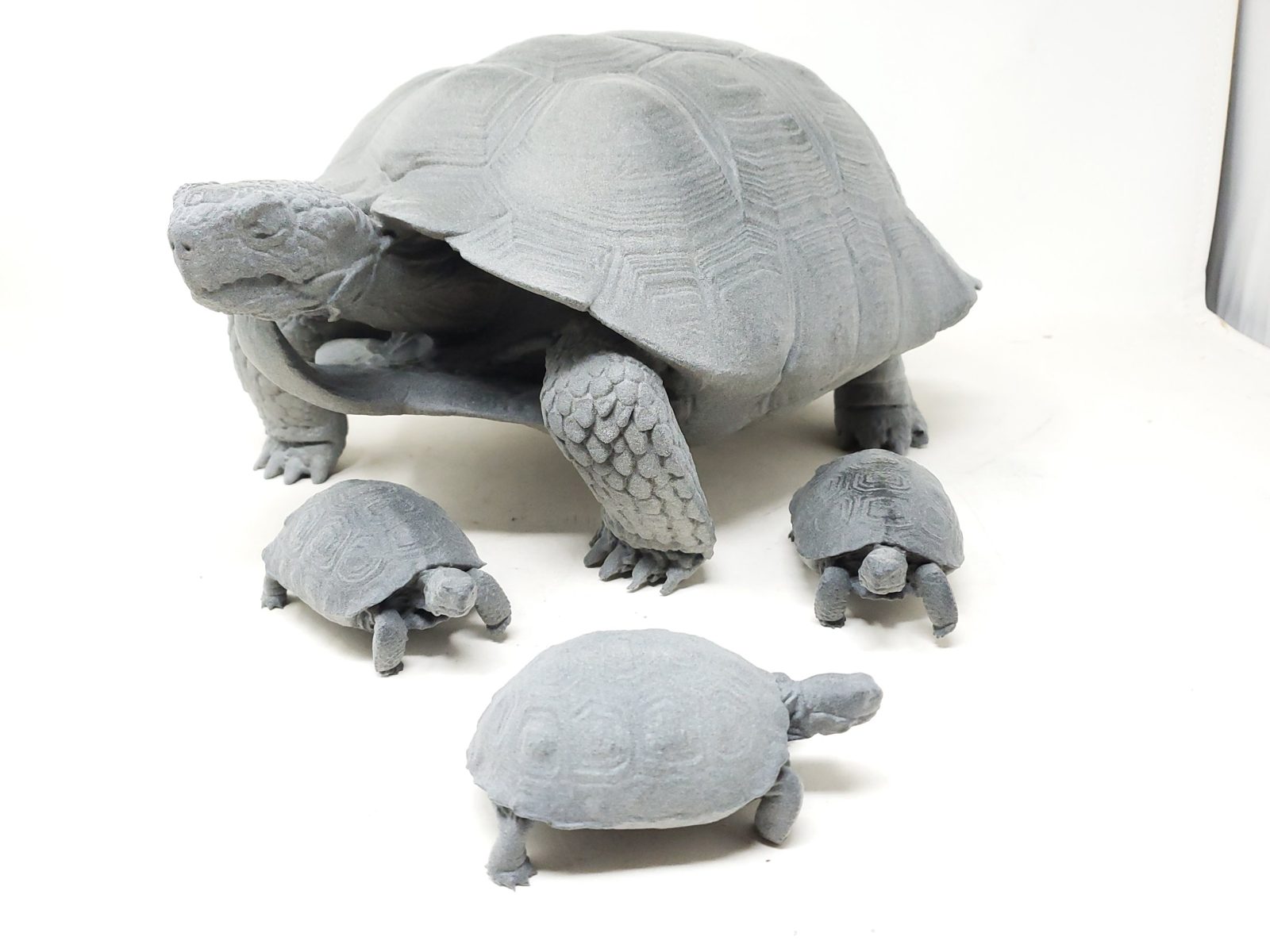
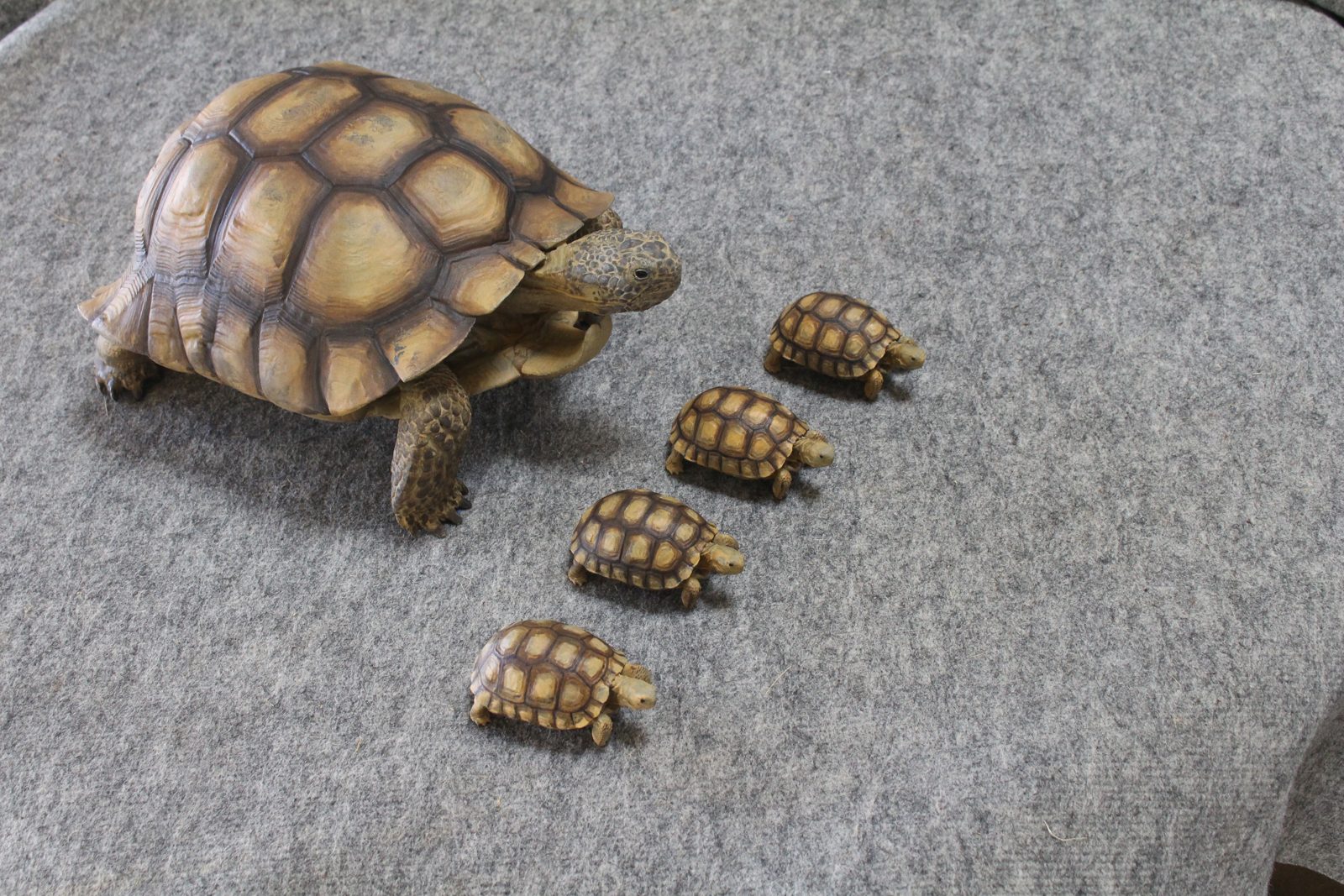
In the Mojave Desert, ravens are a major threat to young desert tortoises, a threatened species. OrniLogic, a company that develops bird-management solutions, needed lifelike tortoise decoys to help deter ravens from preying on juvenile tortoises.
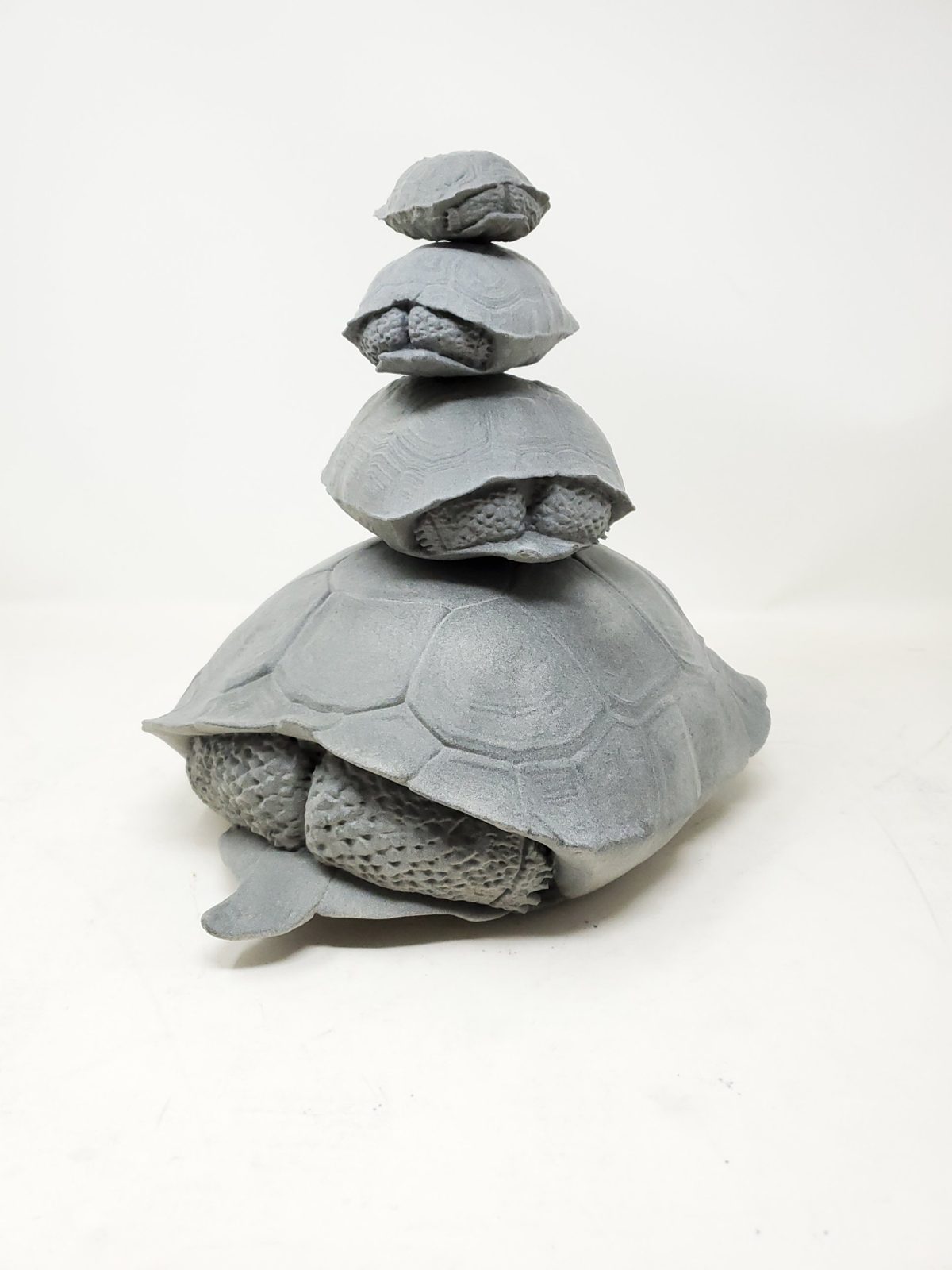
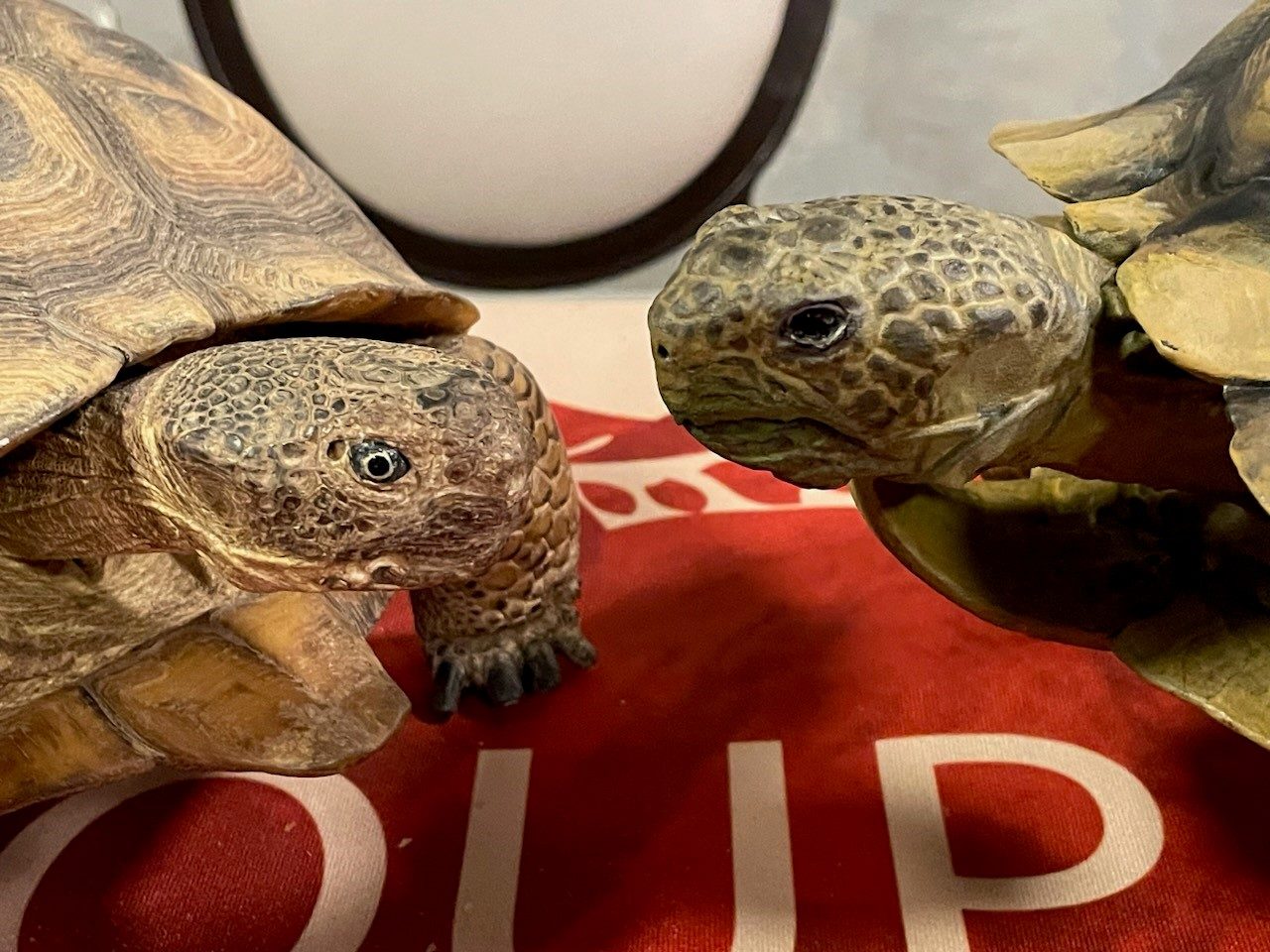
OrniLogic arrived with scans another provider had made of preserved specimens, but the data was rough and missed the fine texture of the shell and skin. So we had the actual freeze-dried tortoises brought to us and rescanned them ourselves at high resolution, capturing every scute ring and scale. We cleaned up and prepared the data for printing, and Forerunner 3D Printing produced adult and juvenile decoys, shipped unpainted to OrniLogic’s artist for finishing. The decoys have been used in the field in the Mojave and produced for wildlife agency use.
Scanned Here, 3D Printed Next Door
The museum replicas, the trophy fish and the tortoise decoys weren’t handed off to an outside print shop. They were 3D printed by our sister company, Forerunner 3D Printing, in the same building where we scanned and modeled them. That keeps your project under one roof, from the first scan to a finished replica:
- One team, one quote. Scanning, reverse engineering and printing are planned together, so the model is built to suit the way it will be printed.
- A range of printing technologies and materials to match the piece, from fine surface detail to large, durable replicas made for handling. See Forerunner’s 3D printing services.
- In-house finishing. Cerakote ceramic coatings tough enough for hands-on museum displays, plus dyeing, vapor smoothing, or a surface prepared for your own artist to paint. See post-processing options.
- Multiples on demand. Once a piece is digitized, we can print another copy any time: a second replica, a gift-shop edition or a replacement.
What We Can Do for Your Piece
- Foundry-ready CAD for recasting ornamental and historic castings, including design changes to fit modern assemblies
- Museum-quality replicas, 3D printed and finished in durable Cerakote or ready for your artist to paint, so visitors can handle a piece without risk to the original
- Digital preservation: a precise 3D record of an artifact, sculpture or architectural ornament before it’s damaged or lost
- Restoration of damaged pieces, rebuilding broken or missing sections digitally from what survives or from a matching piece
- Scaled reproductions, larger or smaller than the original
For more on our scanning equipment, accuracy and deliverables, see 3D scanning and reverse engineering services.
Who We Work With
- Museums and university collections
- Theater, church and historic building restoration teams
- Foundries and manufacturers reproducing ornamental castings
- Wildlife conservation and natural history projects
- Private collectors preserving or duplicating meaningful pieces
Related Services
- 3D scanning & reverse engineering: capturing existing parts and assemblies as editable CAD
- Design for additive manufacturing: parts, tooling and fixtures engineered for 3D printing
- Forerunner 3D Printing: our sister company for 3D printed prototypes and production parts
Frequently Asked Questions
Will 3D scanning damage the original piece?
No. Our scanning is non-contact, so the original isn’t altered. Fragile pieces can be scanned with minimal handling, and large or installed pieces can often be scanned on site.
Can you work with a foundry we already use?
Yes. On our theater restoration projects, we delivered CAD directly to Century Foundry, which built the tooling. We’re happy to coordinate with yours.
How long does a museum replica take?
It depends on the size and detail of the piece. Our MSU Broad Art Museum replicas were scanned, modeled, printed and Cerakoted in three weeks to meet an exhibit opening.
Talk to Us About Your Project
Tell us about the piece, its size and condition, and what you’d like to do with it. Call 616-604-1977, email [email protected], or use our contact form.